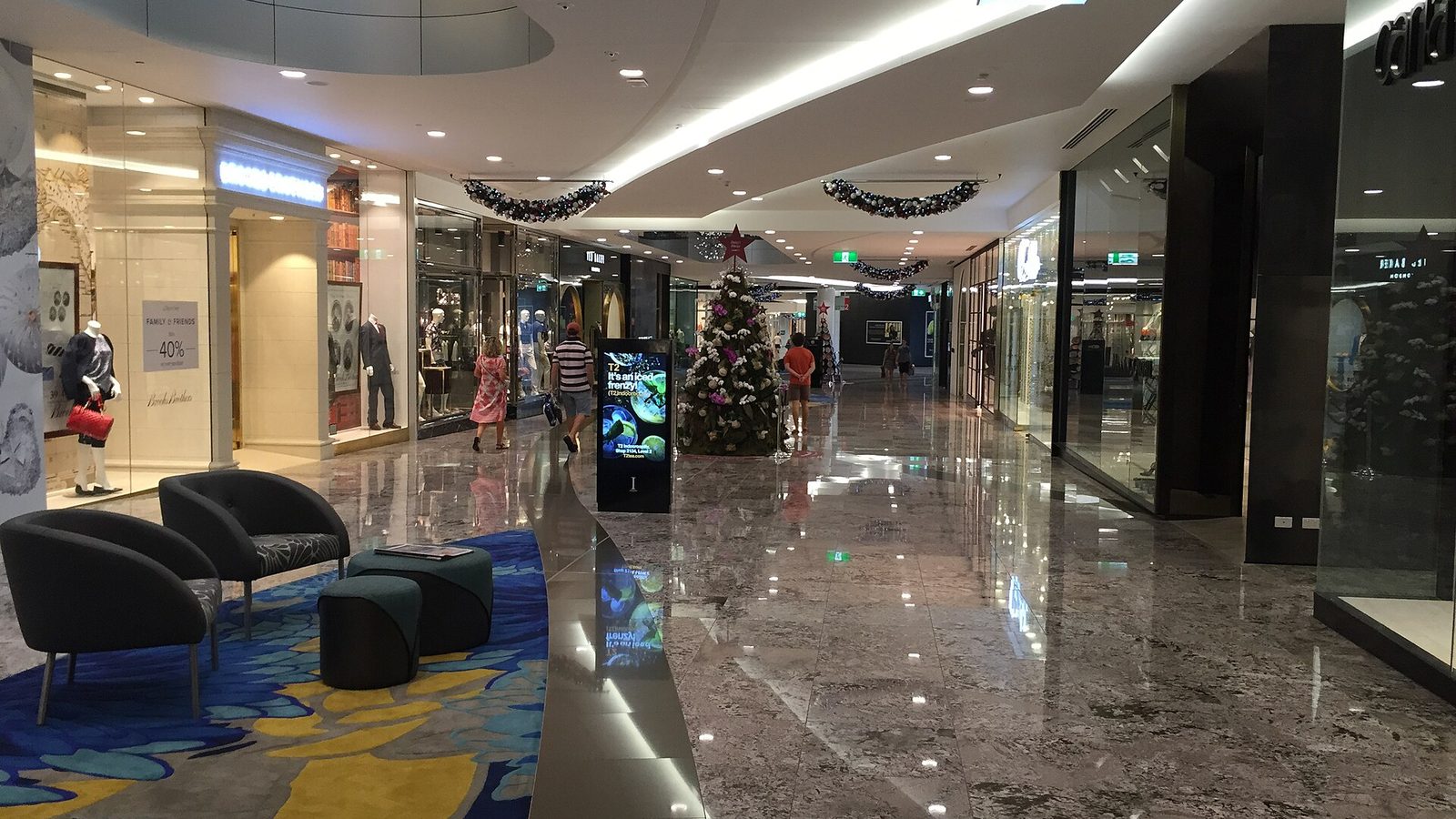
Every year, a large shopping centre in south-east Queensland runs a full fire test. This time it fell days before a change of ownership, and the centre team had their hands full with the transition. When the test finished, a group of HVAC equipment was left in override, and it kept running through the night.
At a glance
- Fixed within a day, after PEAK alerted the contractors automatically
- About 8 extra hours a night of plant operation, at around 200 kWh an hour
- Around 145,600 kWh and $29,120 of estimated waste avoided if it had run for a quarter
- Up to 8% of the centre's annual energy use, had it gone unnoticed for a year
Challenge
The fire test was scheduled for early December, less than a week before the centre changed owners. The operations team was focused on the handover. After the test, equipment that had been put into override for it was never returned to automatic control, so it ignored its normal time schedules and ran overnight.
Nothing on site would have flagged it. The plant was doing exactly what it had been told to do.
Why does equipment stay in override after a fire test?
During a fire test, plant is often forced on or off so that smoke control and other life-safety sequences can be checked. If those overrides are not released afterwards, the equipment stops following its BMS schedules and runs until someone notices. Because an override is a deliberate command, the BMS rarely raises an alarm for it.
What PEAK found
PEAK's after-hours operation rules picked up the equipment running outside its scheduled hours that night. The alerts went automatically to the mechanical and BMS contractors, with the affected equipment and the evidence attached, so no one had to wait for a centre team member to notice and pass it on.
The contractors released the overrides the next day.
Impact
The equipment had been running around 8 extra hours a night at an average of about 200 kWh an hour, roughly 1,600 kWh every night. Left unchecked for a quarter, which the site team considered the most likely outcome given the handover, that would have added up to around 145,600 kWh, or about $29,120 at 20c/kWh. Over a full year it would have reached around 584,000 kWh and about $116,800, close to an 8% increase in the centre's energy use.
These are estimates of the waste avoided, based on the equipment's average load and the extra run hours. The point is not the exact figure. It is that a routine test, at a busy time, could have quietly added a large cost for months, and instead it was fixed in a day.
Find out how PEAK supports energy management and fault detection, or browse more customer stories.
Header photo: Queensland shopping centre interior by Kgbo, CC BY-SA 4.0, via Wikimedia Commons, cropped.