A US building performance engineering firm runs ongoing optimisation for a large, multi-building arts and performance campus. The campus BMS looked healthy. Once the firm connected it to PEAK, the data told a different story: terminal units that had not moved in years, plant nobody had on the asset list, and a failure at a remote building that could be traced to the exact time it happened.
At a glance
- VAV boxes frozen for years, found even though they looked normal on the BMS
- Equipment the owner did not know existed, uncovered from the BMS data
- A remote building failure, pinpointed to the moment it occurred
- Faster than traditional retro-commissioning, in the engineering lead's own assessment
Challenge
Arts and performance venues are hard buildings to run. Halls, galleries, rehearsal spaces and back-of-house areas all keep different hours, and many zones sit idle for days before a full house arrives. On a campus with several buildings, the BMS shows each point's current value, but not whether that value has changed at all in months.
The engineering firm's job was to find what was costing the owner money and comfort, then prove the fixes held. Doing that by walking every plant room and reading every BMS page would take weeks for each building.
Why do frozen VAV boxes go unnoticed on a BMS?
A frozen VAV box is a terminal unit whose damper, airflow or temperature readings stop changing, usually because an actuator, sensor or controller has failed. The BMS still displays a plausible value, so nothing alarms. Only trend history shows that the value has been flat for months or years while the space around it kept changing.
This is one of the faults PEAK's fault detection and diagnostics rules are built to catch: they look at how points behave over time, not just whether today's reading is inside a range.
What PEAK found
Once the campus BMS was integrated, the firm's engineers worked through PEAK Alerts and Charts across every building.
- Frozen VAV boxes. Several terminal units showed readings that had not changed in years. On the BMS they looked fine.
- Equipment nobody knew about. The integration surfaced plant on the network that the owner did not have on its records.
- A remote failure, timed exactly. When equipment failed at an outlying building, the engineers could see the precise moment it happened in PEAK, rather than piecing it together after the fact.
The firm also uses PEAK's AI-generated reports in its day-to-day work. An AHU runtime report for one of the main buildings has become a regular part of how it reviews plant operation with the client.
Impact
For the engineering firm, PEAK turned a campus-wide investigation into a prioritised list of real faults, with the evidence attached. For the owner, it meant fixing problems that had been hiding for years, and a clearer picture of the plant it actually has.
The firm's lead engineer is clear that the approach costs the client far less than traditional retro-commissioning, because the investigation work that used to take site visits now starts from the data. The firm is now planning to add PEAK to more of its client buildings and to its standard building optimisation offer.
"The data has been great. The whole experience has been wonderful."
Lead engineer, US building performance engineering firm
"When I look at CIM, I understand exactly what I'm looking at. It's simple, but it can be complicated if it needs to be."
Lead engineer, US building performance engineering firm
Why it matters for engineering partners
Engineering firms win and keep clients by finding what others miss and proving it. PEAK gives their engineers the trend history, fault rules and reporting to do that across a whole portfolio, without adding headcount. Read more about how engineering firms partner with CIM, or browse more customer stories.
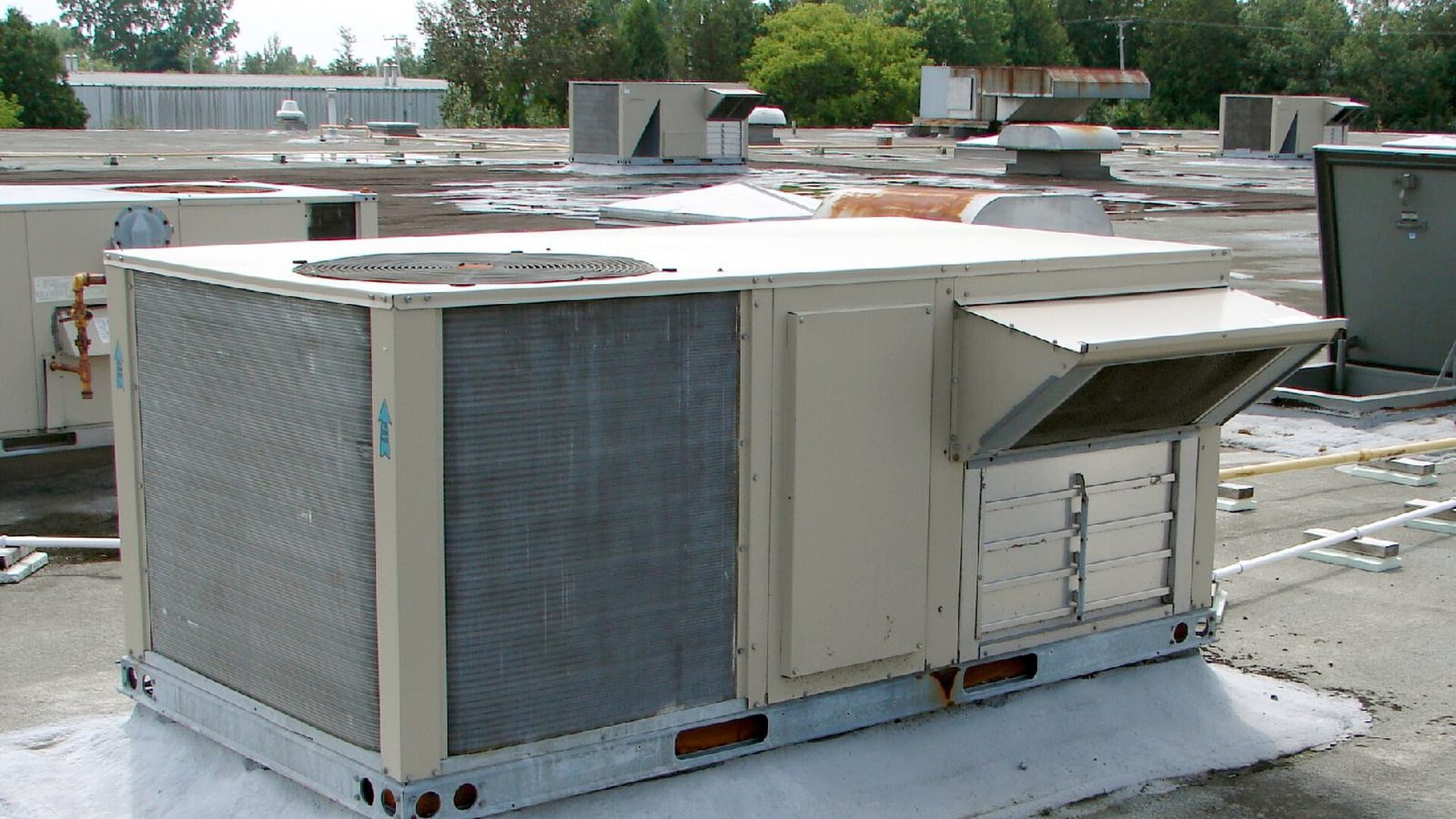
Header photo: Rooftop packaged units, public domain, via Wikimedia Commons.